
Keynotes Speakers
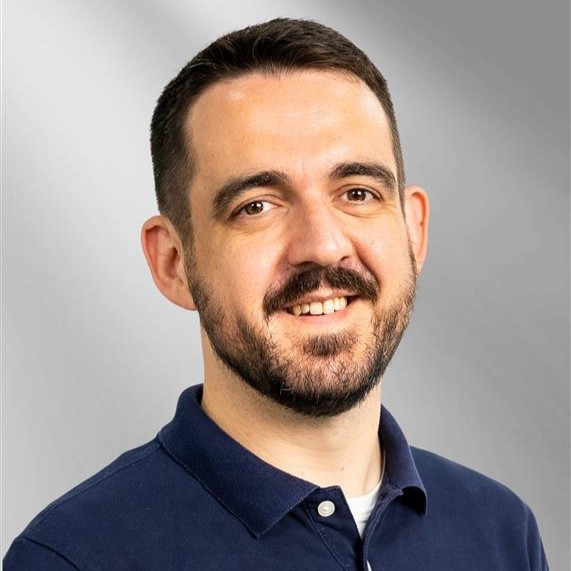
Shane Leaning
Co-founder, Work Collaborative
Shane Leaning is an independent organisational coach based in Shanghai, collaborating with international schools and groups globally. He co-founded Work Collaborative, a community dedicated to inside-out change in education, and hosts the chart-topping podcast, Education Leaders. Previously, Shane was a school leader and Head of Teacher Development for for a large group of international schools.
Passionate about creating agency in schools and empowering leaders, Shane is co-author of the best-selling ‘Change Starts Here’. He is a CollectiveEd Fellow, an Associate of the Teacher Development Trust in the UK, and a TEDx speaker. Living internationally since 2012, with extensive experience in China and Asia, Shane is a recognised voice in international education leadership.
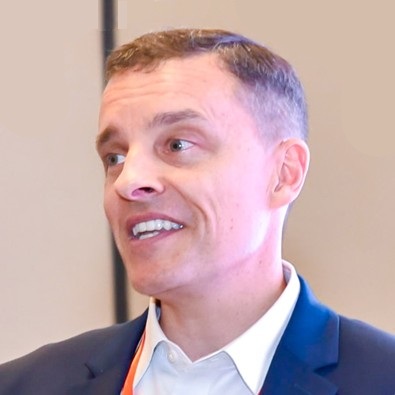
Michael Iannini
Founder, Peer Sphere
Michael Iannini is an author, NESSIC’s Special Advisor, contracted PD Coordinator for ACAMIS and EARCOS, Board Member for Safe Passage Across Networks (SPAN), founder of PeerSphere, and a Council of International School’s (CIS) Affiliated Consultant with the following areas of expertise:
- Appraisal and Professional Development
- Organizational Management
- School Governance
- Strategic Planning
Michael’s first book, Hidden in Plain Site: Realizing the Full Potential of Middle Leaders, is the foundation for all his leadership development work. Since writing this book he launched www.peer-sphere.com, where he continues to work with a variety of leaders, learning alongside them.
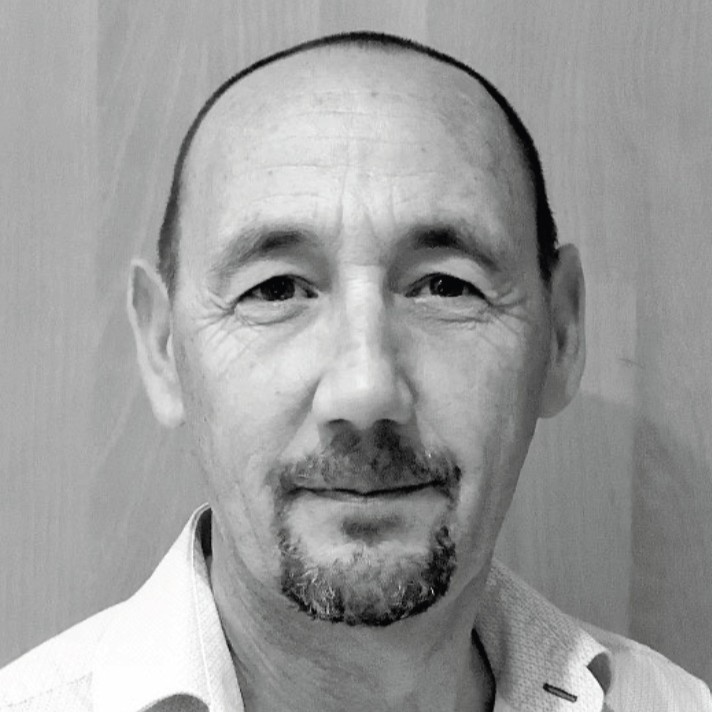
Phil Holdsworth
Head of Asia, Impact International
Impact International partners with clients to liberate the human potential in their organisations, so that together they can solve the complex economic, social and environmental problems that challenge humanity.
Phil has been an organisational development driver and consultant for over twenty-five years and has extensive experience across Asia working with senior teams. Internationally, Phil has worked with cross cultural senior management teams in Japan, USA, Canada, China, Malaysia, Philippines, Hong Kong and Thailand as well as other work in Australia, USA and Europe. Clients range from a wide variety of sectors including finance & banking, FMCG, Oil, Manufacturing, IT, Telecommunications and Public Sector.
Phil joined Impact in 1997 in New Zealand as one of four Regional Directors who drove strong expansion and profitability throughout Asia. In 2008 he took on the role of Head of the UK firm, Impact’s largest office and Global Headquarters. He returned to ASPAC in 2011 and continues to drive growth in Asia through his work with clients and his role as the regional Head of Consulting. Phil also sits on Impact’s Global Leadership Team.
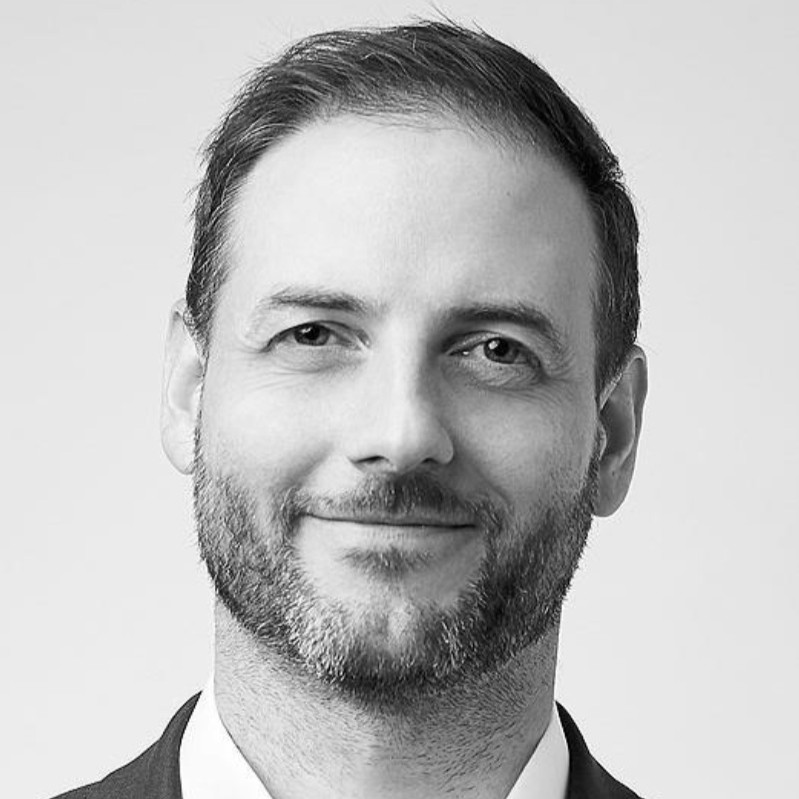
Sam Egerton
Senior Consultant, Impact International
Impact International partners with clients to liberate the human potential in their organisations, so that together they can solve the complex economic, social and environmental problems that challenge humanity.
With over 20 years of experience, Samuel brings a wealth of knowledge in cross-cultural communication from diverse industries such as sports (Real Madrid Football Club), mass media (Thompson Reuters), and professional services. Samuel was the Director of Sales (Asia) for a leading global learning and development consultancy. He has led high-visibility client initiatives. One example is a multi-year project that successfully drove employee engagement and productivity across the APAC region for a large Japanese tech company. Others include developing a multi-region leadership journey for a top ten mining company targeting ownership and cultural awareness, and a D&I initiative to strengthen the Asian talent pipeline in a well-known American tech company.
Samuel partners with clients to develop, design, and facilitate impactful leadership development interventions throughout the region. Clients include leading regional and multi-national corporations in the banking, finance, pharmaceutical, and technology sectors. He also has an interest in corporate wellness and is a keen ultra-endurance athlete.. Additionally, he volunteers his time with the SPF, SAF, and a wellknown Veterans’ organisation in Singapore heading up their wellbeing efforts.
Born and raised in the UK, Samuel has lived and worked in Poland, Spain, and Singapore. In 2011, he became a certified trainer for AchieveGlobal. Other certifications include Human Synergistics’ tools LSI, Leadership/Impact, and OCI. He is also a CTI trained Executive Coach and a Spartan Certified Fitness Coach.
Workshop Menu
Note on Conference Themes
Leadership for Collaboration |
Building bridges for leaders at all levels to foster a culture of trust, shared responsibility, and distributed leadership. |
Teaching and Learning Frameworks/Models |
Building bridges for educators to contribute towards co-constructing a whole school vision |
Community Engagement and Partnerships |
Building bridges between educators and learners, educators and parents, learners and parents, learners and learners, educators and educators, schools and wider community. |
Friday 20 March - Workshop Session 1 - 10.40-11.30
| Workshop Title | Description | Presenter(s) |
Effective Collaboration Through High-Performing Teams |
This workshop explores how understanding the 6 different elements of a high-performing team can unlock greater collaboration, communication, and effectiveness. Based on Impact’s proprietary Team Performance Inventory, it gives insight into how this can be successfully applied in a number of settings, including international schools, in a practical and engaging way. |
Phil Holdsworth & Sam Egerton Impact International (Keynote Speakers) |
From Plans to Progress, Part 1: Diagnose and Design for Collective Action |
Most school improvement efforts stall because teams move too fast to solutions and then struggle to implement them. In this workshop, you will use the first half of the Progress Loop, Diagnose → Design, to sharpen an existing improvement initiative in your school. We will focus on two practical steps that create clarity and alignment:
You will use simple protocols, compare insights with peers, and leave with one next step you can act on immediately.
|
Ewen Bailey Leadership Team Development Consultant |
Managed Autonomy: Getting the Balance Right in CPD |
This workshop will outline the process we have been through as a school in getting the right balance of autonomy, whilst meeting the needs of the school in CPD. This will also closely link to how appraisals are delivered as well as Trust Based Observations for our teachers. There will be lots of moments of self-reflection for participants. |
Catherine Ellis Assistant Principal, St. Joseph’s Institution International School |
From Modelling to Mastery: Developing a Shared Framework for Learner Self-Regulation |
In this session, participants will learn how to develop a shared teaching and learning framework for learner self-regulation, supporting students to move from teacher-led instruction to independent mastery. Drawing on the Education Endowment Foundation’s seven-step model, the session will demonstrate that self-regulation can be systematically taught, modelled and embedded across different subjects, phases and contexts. Participants will explore how modelling, scaffolding, guided practice and independent practice can be designed using micro, macro, and nano planning tools, creating a common professional language for making learning visible. Through worked examples, participants will see how scaffolds can gradually fade from teacher-led guidance to student-led autonomy, with complex tasks broken down to support independence over time. The focus throughout is on developing processes that enable students to plan, monitor and evaluate their own learning, supporting a coherent approach to self-regulation. Participants will leave with a clear framework and practical tools they can apply immediately to support learners in their own classrooms and schools. |
Michael Downes Head of History, Dulwich College Shanghai Pudong |
Bridging Silos: A Whole‑School Model for Mandatory Training, Competence, and Risk‑Informed CPD |
This interactive workshop helps CPD leaders build bridges across departments by using Data Governance as a clear, universal example of how mandatory training, competence, and risk management can be aligned into a whole‑school system. Many schools have strong policies and SOPs, yet frontline practice remains inconsistent because training is fragmented, role expectations are unclear, and renewal cycles are not well defined. Through practical activities and a real data protection case, participants will learn how to create a unified mandatory training register, apply incident‑informed learning loops, and connect these structures to the School Improvement Plan and accreditation requirements. The workshop also illustrates Pristine Privacy’s competency‑based approach to Data Protection Leadership, showing how competence can be expressed, evidenced, and reinforced through a cycle of identifying gaps and taking targeted action. Participants will leave with actionable tools to strengthen alignment, enhance relevance, and support a coherent, risk‑aware CPD ecosystem. |
Roy Ng Founder & CEO/Principal Consultant, Pristine Privacy |
Friday 20 March - Workshop Session 2 - 11:40 - 12:30
| Workshop Title | Description | Presenter(s) |
How to run a discovery conversation with your staff |
Admit it. So many staff consultations are theatre. The decision’s been made, the questions are leading, and everyone in the room knows it. This session teaches a different approach: small, structured conversations that give people genuine permission to say what they actually think. You’ll learn which questions open things up and which ones quietly close them down, practise on something real from your own school, and leave with a format you could use the week you get back. No budget required. Just a bit of nerve and the right questions. |
Shane Leaning Organisational Coach, Education Leaders (Keynote Speaker) |
From Plans to Progress, Part 2: Implement and Measure What We Value |
Part 2 is designed to work as a standalone workshop. You do not need to have attended Part 1. Even strong designs fail when implementation lacks clear ownership, resourcing, and feedback. In this workshop, you will use the second half of the Progress Loop, Implement → Impact, to turn a priority into disciplined action, fast learning, and visible progress. We will focus on how leaders can allow improvement initiatives to grow into the the school during delivery: running small tests, clarifying “what good looks like,” and using simple measures that help teams adapt without losing momentum. You will practice turning a plan into a short cycle of action, evidence, and adjustment that strengthens trust rather than draining it. The aim is a lightweight framework for action and review that makes progress visible and keeps momentum high. You’ll leave with:
|
Ewen Bailey Leadership Team Development Consultant |
Three Tiers, One Vision: Strengthening Autonomy Through Collaboration |
This workshop introduces KTJ’s three‑tiered professional development framework, designed to strengthen teacher agency through purposeful collaboration. Participants will explore how whole‑school structures, team‑based development, and individual inquiry cycles work together to create autonomy without isolation. Through practical examples and discussion, participants will examine how shared expectations, collaborative inquiry, and personalised development pathways contribute to a culture of collective growth and empowered practice. |
Liam Tombs & Shamini Kamalasen Assistant Heads for Teaching & Learning, Kolej Tuanku Ja’afar |
From Curriculum Intent to Classroom Practice: Interdisciplinary Learning Through the SDGs at KS3 |
This workshop examines how KS3 interdisciplinary learning through the UN Sustainable Development Goals (SDGs) can be used as a practical mechanism for co-constructing a shared Teaching and Learning model. Rather than treating interdisciplinary projects as standalone initiatives, the session positions SDG-focused curriculum design as a framework through which subject leaders and their teams collaboratively align curriculum intent, pedagogical approaches, and assessment principles. Participants will explore how subject teams contributed to the design of interdisciplinary SDG learning by negotiating disciplinary roles, agreeing common learning outcomes, and developing shared expectations for high-quality learning. The workshop highlights how the SDGs provide a common professional language that supports coherence across subjects while preserving subject integrity, acting as a bridge between individual classroom practice and a consistent Teaching and Learning vision. Through structured reflection and collaborative dialogue, participants will evaluate leadership conditions and structures that enable teachers to meaningfully contribute to curriculum and pedagogical design. They will then apply this thinking to their own context, identifying how interdisciplinary learning could support greater coherence, inclusion, and collective efficacy within KS3. By the end of the workshop, participants will be able to:
|
Omar Murtaza Deputy Head of Secondary, British School in Tokyo |
The Positive Power of Connection |
Daniel Coyle believes that: “We are pre-wired to flourish through community.” Who is your community? Who would you like to partner and learn with? How are you creating and nurturing these relationships? In this interactive workshop we will partner to connect your questions with answers and build an international community that flourishes together. We will explore themes of connectivity and interbeing and create opportunities for building connection with a purpose, linked to ongoing projects in schools. Then we’ll look at how to build connectivity, both online and in person and how to create communities with a common goal. |
Kathryn Hemming Relationship Lead for South-East Asia and China, Making Stuff Better |
Friday 20 March - Workshop Session 3 - 14:40 - 15:30
| Workshop Title | Description | Presenter(s) |
Designing PD that doesn’t exhaust people |
Most professional learning is designed for teachers who have just had a great night’s sleep, a free morning, and no difficult emails. That’s not your teachers. This session looks at what happens when you start designing PD around actual human capacity rather than ideal conditions. We’ll audit a real programme, figure out what to cut, what to connect to something that already exists, and what would land better if teachers had a hand in shaping it. You’ll probably leave with a shorter calendar than you came in with. That’s not a bad outcome. |
Shane Leaning Organisational Coach, Education Leaders (Keynote Speaker) |
Collaboration Groups at EiM: the successes, the challenges, lessons learned |
This workshop shares reflections from EiM’s experience of designing and running collaboration groups across a family of international schools. The session focuses on what this experience has revealed about the conditions that appear to support collaborative learning, as well as the challenges that can limit its impact. Through examples drawn from practice, the workshop considers how collaboration can act as a bridge between schools, roles and professional cultures, and between professional learning and changes in practice. Participants will be invited to reflect on how issues such as clarity of purpose, group structure, facilitation and organisational context have influenced engagement over time. Rather than presenting a single model of best practice, the session uses EiM’s experience as a stimulus for reflection. Participants will be encouraged to consider which conditions resonate with their own contexts, which may not, and what this suggests about designing collaborative learning that is both meaningful and sustainable. By the end of the session, participants will have reflected on insights from EiM’s experience that can be applied within their own schools when designing and supporting collaborative learning. |
Vivienne Robinson Head of Professional Learning, Education in Motion (EIM) |
From Compliance to Collective Efficacy: Designing PD that Teachers Choose, Not Endure |
My intention for this interactive workshop is to invite participants to think honestly about how professional learning works in their own schools. In particular, we will explore how CPL/CPD structures can either build bridges or quietly put barriers in place. These include bridges between strategic intentions and what actually happens day to day, between leadership direction and teacher agency, and between individual expertise and collective efficacy. Using familiar CPL formats such as whole-school training days, staff-led sessions and short sharing models, including a ‘Teacher Slam’ approach we are currently trialling, participants will work together to identify where professional learning can start to feel compliance-driven, even when collaboration is the intention. Drawing on real examples from both whole-school and teacher-led professional learning, the session will focus on practical design decisions that help build trust, distribute expertise and create genuine opportunities for contribution. Participants will also have time to adapt ideas directly to their own contexts and professional learning structures. By the end of the session, participants will (hopefully): |
Carly Peart Vice Principal – Professional Learning, Bangkok Patana School |
Great Teaching Teams – How high-performing schools make collaboration work |
This panel discussion, led by Matt McGinlay from Evidence Based Education, will bring together leaders from FOBISIA schools who have implemented collaborative models of Professional Learning. Matt will begin by sharing a bit about the best available research evidence around collaboration, before inviting the panel of PL Leads to share how they laid the foundations for effective collaboration, what they have learnt along the way and provide practical guidance for colleagues. There will also be time for Q&A from the floor, as well as for delegates to share their own expertise. This session is designed to help all attendees share information they can use when designing collaborative professional learning programmes in their school, focussing on the elements of teaching that have the greatest impact on learning. They will hear what has worked, and how it can lead to classroom impact. |
Matt McGinlay Evidence Based Education Panel: Vicki Rotheram (SHR), Kelly King (DCSPX) and representatives from Jerudong International School Brunei |
How Academic Councils brought our school community together |
This presentation explores how schools can harness parent, staff, and student voice to drive meaningful and sustainable improvement. It will examine the impact of parent communities in supporting positive change and strengthening whole-school culture. The session will outline our model for Academic Councils, in which school leaders identify priority areas for development through student voice. Council leaders are then appointed to each focus area and invite interested members of staff, parents, and student parliament to form collaborative working groups aligned with the school improvement plan. Drawing on practical examples, the presentation will demonstrate how these councils bring stakeholders together to co-create, embed, and review whole-school policies. It will highlight how shared leadership promotes accountability, inclusion, and ownership across the school community. Participants will leave with a clear framework for establishing inclusive governance structures that enhance engagement, strengthen partnerships, and support continuous school improvement. |
James McCusker Deputy Head of Secondary, Regent’s International School Bangkok |
Saturday 21 March – Workshop Session 4 - 10.10 – 11.00
| Workshop Title | Description | Presenter(s) |
Supporting others and your own career progression |
For developing leaders, supporting others is a powerful pathway for growth. When leaders guide the progression of colleagues, they learn by observing change in real time—how confidence develops, skills are applied, and decisions lead to impact. This process builds self-awareness, strengthens judgement, and sharpens leadership practice. This session explores how coaching the progression of others contributes directly to your own development. Rather than focusing on titles or promotions, the emphasis is on the everyday leadership work that builds capability over time. One of the tools introduced in this session is the 70 20 10 model of leadership development, first articulated by the Center for Creative Leadership in North Carolina, to help frame how learning happens through experience, relationships, and reflection The session will focus in particular on how leaders can coach progression in practical, manageable ways, and how observing the growth they support becomes a mirror for their own leadership journey. |
Michael Iannini Author, consultant and founder of Peersphere (Keynote Speaker) |
What Makes Professional Learning Stick? Moving beyond platforms and one-off sessions to classroom-focused collaboration |
This facilitative workshop explores how schools can design professional learning that genuinely improves classroom practice while strengthening collaboration and collective efficacy. Drawing on research and lived experience from a whole-school professional growth journey, the session focuses on three design principles that underpin effective teacher development: professional learning must be relational, built on sustainable long-term structures, and rooted in classroom practice through observation and feedback. Participants will engage with brief framing ideas, paired and small-group discussions, and structured reflection to examine how these principles currently play out in their own schools. Rather than promoting a single model or platform, the workshop invites leaders to think critically about the structures that sit beneath professional development — and how tools, frameworks, and resources can be used to support, rather than drive, those structures. By the end of the session, participants will leave with a clearer sense of the core principles of effective professional learning, practical questions to guide future PD design, and ideas for strengthening collaborative, classroom-focused professional growth within their own contexts. |
Phil May Assistant Head of Senior School – Colleague Development, Jerudong International School Brunei
|
Building the Bridge: Collaboration That Converts Intention Into Action |
Most teams collaborate well up to the point where something actually has to change. At that moment, collaboration often gives way to hesitation, over-planning, or a return to familiar routines. This workshop explores why that gap exists and how leaders can design bridges that allow teams to move forward before certainty is available. Participants will examine collaboration through a before–after–bridge lens, identifying where agreement and shared intent fail to translate into action. Using a psychological safety versus comfort framework, the session challenges the assumption that collaboration requires comfort, and instead shows how leaders can make discomfort safe enough for learning and change. Through structured conversation and practical reflection, participants will explore how short-cycle learning and change engines can function as bridges, lowering the risk of the first step, distributing responsibility across teams, and enabling leadership to emerge through action rather than position. By the end of the session, participants will be able to recognise where collaboration stalls in their context and apply a simple tool that help teams act, learn, and move together through change. |
Andrew Mowat EduSpark Cofounder and Leadership Trainer |
From Co-Construction to Collective Efficacy: Building and Living a Whole-School Teaching & Learning Framework |
This session explores how a whole-school Teaching and Learning Framework can be collaboratively designed, implemented, and sustained to strengthen collective efficacy and professional learning. It will draw on our school’s year-long journey, participants will examine how evidence, research, and staff voice were intentionally woven together to co-construct a shared model that is now actively lived across the whole school from EY to Y13. It will focus on the process that Nexus has gone through, how leaders and teachers worked together to build trust, align beliefs about learning, and create a framework that meaningfully informs classroom practice. Participants will be encouraged to reflect on their own contexts and consider how similar collaborative approaches can build bridges across teams, phases, and roles, supporting sustainable professional learning and shared responsibility for improvement. |
Kay McCabe Director of Teaching and Learning, |
From Pushback to Partnership: Collaborating with Parents Around RSE |
This practical workshop explores how international schools can build more constructive and trusting relationships with parents around Relationships and Sexual Health Education (RSE). International school settings often have a diverse demographic where values, expectations, and experiences often differ. Rather than responding to concerns as they arise, the session introduces a clear parent pathway model that supports schools to plan communication and engagement before, during, and after RSE delivery. Using the parent pathway model, participants will look at “before” examples such as clear curriculum letters, running early parent focus groups, and holding parent workshops that explain what is taught and why at different ages. Participants will also explore practical “during” strategies, such as lesson reminders with suggested questions parents can ask at home, and “after” approaches that invite reflection and feedback from families. Through shared examples and short activities, participants will leave with a draft parent engagement plan tailored to their school context, supported by practical examples of parent communication letters and parent workshop approaches. By the end of the session, attendees will feel more confident leading conversations with parents and supporting a more open, respectful relationship between home and school. |
Natalie Hodkinson Director of Choice and Consent |
Saturday 21 March – Workshop Session 5 - 11.10-12.00
| Workshop Title | Description | Presenter(s) |
Creating a Professional Learning Culture – From intention to impact: leading professional learning across a College |
Professional learning has the greatest impact when it is not experienced as a programme, initiative or event, but as a shared way of working. This session explores how leaders at all levels can shape the conditions for professional learning to thrive across a College – aligning culture, structures and leadership so that professional learning is purposeful, impactful and sustainable. By the end of the session, participants will have:
|
Paula Kennedy-Wingate & Chris Timms Assistant Head (Teaching and Learning) and Deputy Head, Dulwich College Singapore |
CPD as Bridge-Building: How Inclusion Work Strengthens Whole-School Collaboration |
In this workshop, participants will explore how inclusion work can act as a practical and cultural bridge between teams when viewed through a CPD leadership lens. Using examples from Bangkok Prep, the session will examine how everyday systems – including referral processes, shared dashboards, pen portraits, and IEPs – can function as professional learning infrastructure, shaping shared language, trust, and collective responsibility. Participants will engage in structured discussion to reflect on where collaboration in their own settings currently runs in parallel rather than in partnership, and how CPD strategy can intentionally use systems and routines to bring teams together. The workshop will focus on inclusion as a meeting point for educators, support staff, and pastoral teams, rather than a specialist domain. By the end of the session, participants will be able to:
|
Jonathan Breaden Assistant Head (Learning) of Primary, Bangkok International Preparatory & Secondary School
|
The Rosetta Stone: Implementing a Shared Teaching and Learning Framework |
This workshop invites participants into the journey of building coherence in schools where good practice already exists, but too often lives in pockets rather than as a shared language. The session explores how a thoughtfully curated whole-school vision can bring clarity, alignment and renewed purpose to teaching and learning. Drawing on real experiences of leading whole school change, the workshop shares how a shared, evidence informed framework can become a unifying reference point across what we learn (curriculum), our learning environment (lived values) and how we learn (pedagogy). What makes great implementation against the EEF Framework? Participants will reflect on how frameworks move from a laminated document to real classroom practice, and how co-construction with staff strengthens ownership and trust. The workshop also focuses on the human side of implementation, exploring how to bring students, senior leaders, middle leaders, teachers and support staff on the journey together, building shared understanding. |
Morgan Whitfield and Danielle Fountain Assistant Headteachers, British International School Ho Chi Minh City |
Safe to Speak, Ready to Learn |
By the end of the Learn session, participants will be able to:
|
Shirralee Sisson Trainer / Counsellor, Positive Wellbeing |